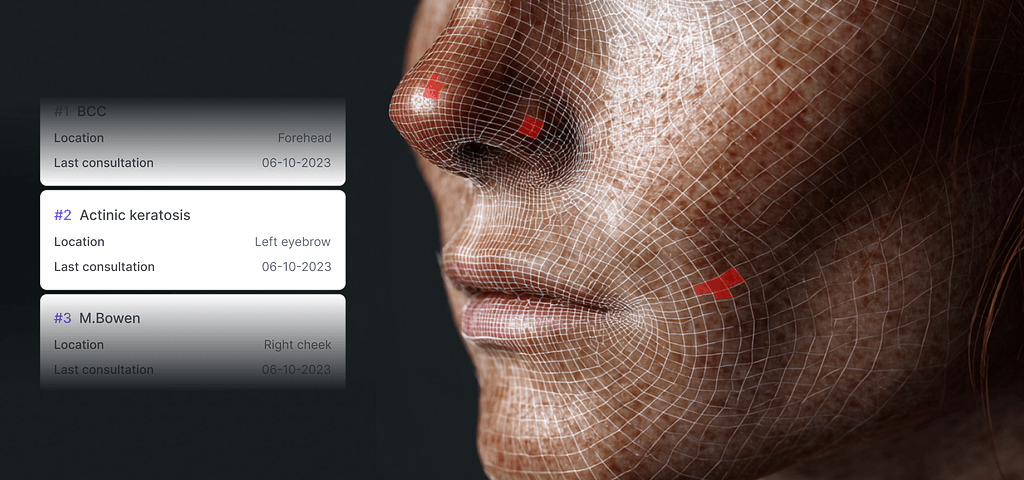
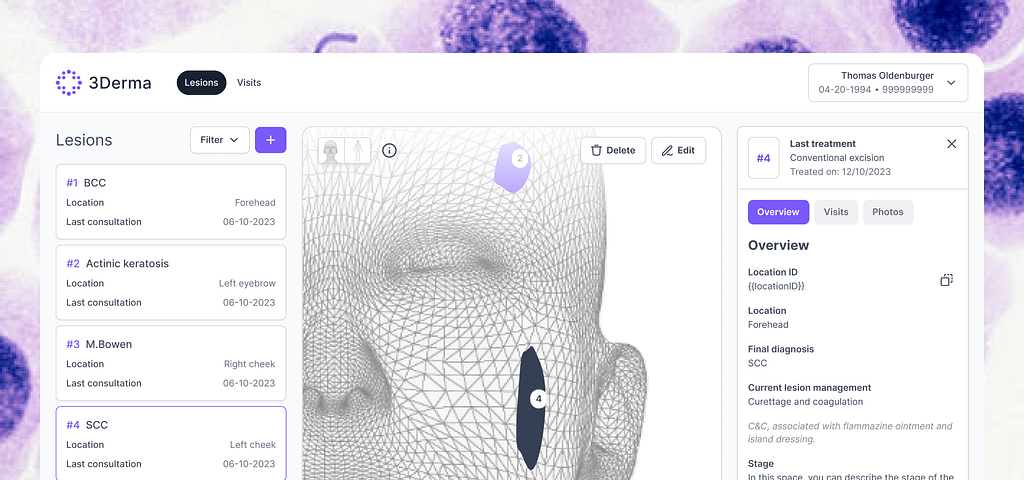
De 3D-kaart staat in het midden
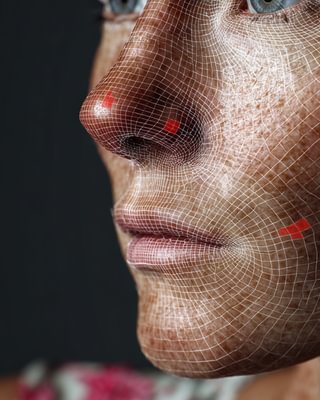
Elke plek is een nummer op het lichaam, precies waar hij echt zit. Voor het gezicht is er een aparte, grote weergave. Daar komt huidkanker het meest voor. De lijst en het 3D-model horen bij elkaar. Klik je op een plek in de lijst, dan licht die plek op in het model. Klik je op het model, dan zie je de details. Artsen onthouden een patiënt als een beeld, niet als een lijst. Daarom werkt het scherm ook zo. Een arts die de patiënt voor het eerst ziet, kijkt naar hetzelfde beeld als een arts die de patiënt al jaren kent.
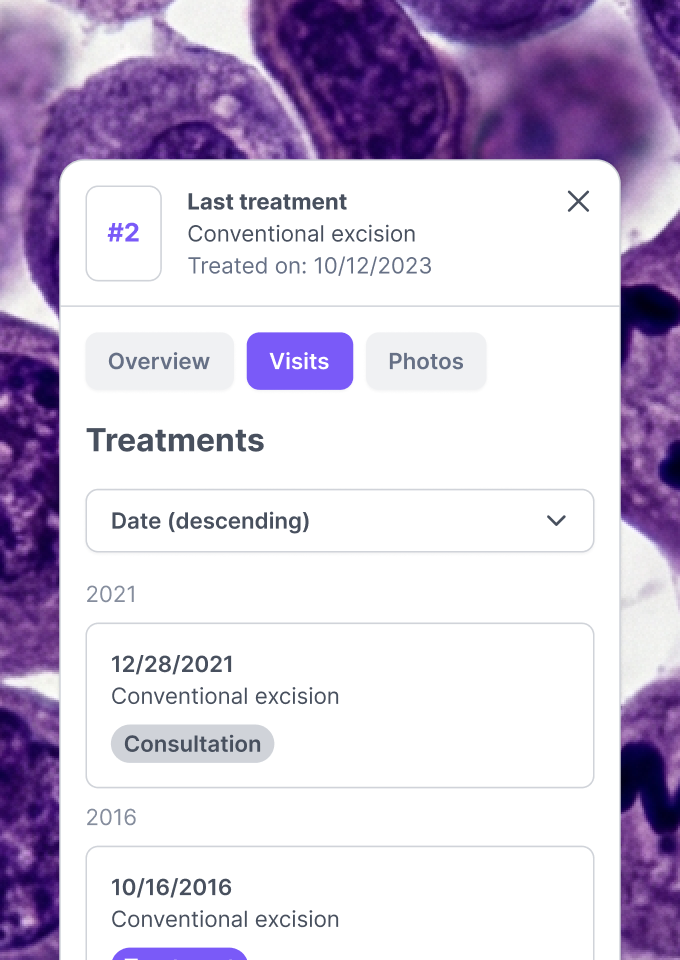
Alle jaren netjes op een rij, per plek
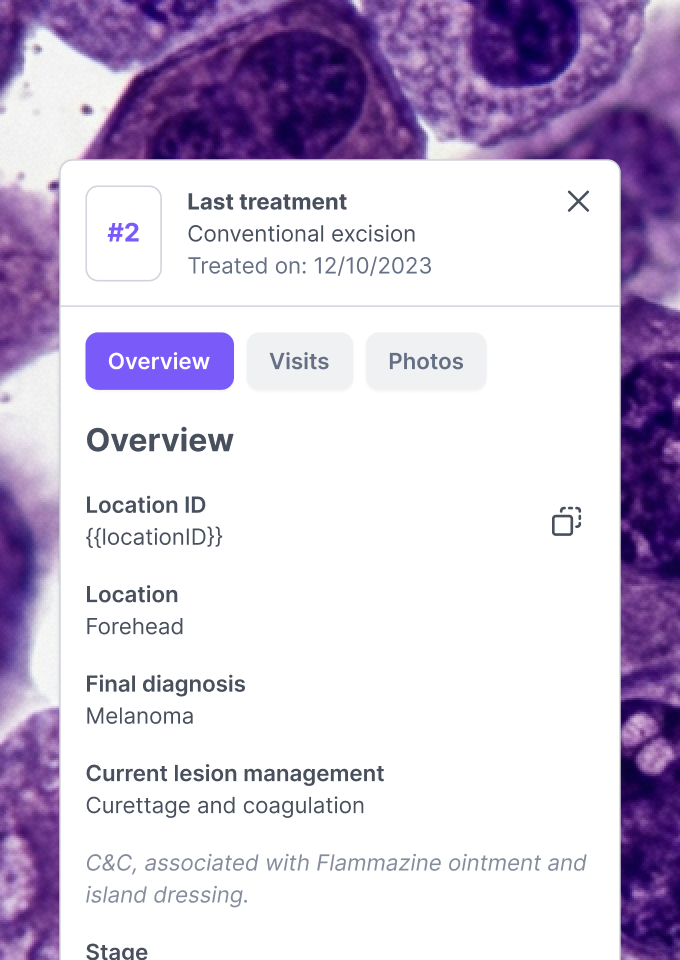
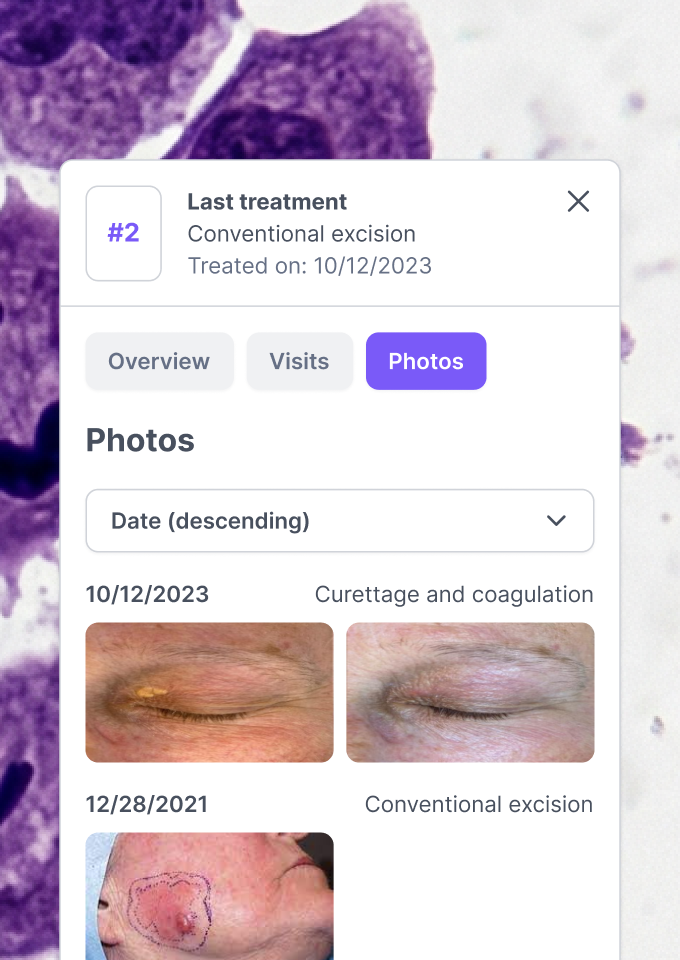
Elke plek heeft drie tabbladen. Een overzicht: wat is het, wat is het plan, hoe groot is het, en wat staat er in het laatste verslag. Een tijdlijn van alle bezoeken. En alle foto's op een rij. Bij elk bezoek staat wat het was: een gesprek, een behandeling of een uitslag. Zo ziet een arts in één keer wat er in acht jaar is gebeurd, en wanneer. Foto's van verschillende jaren staan naast elkaar. Zo zie je meteen of een plek groeit.
Gemaakt voor echte afspraken
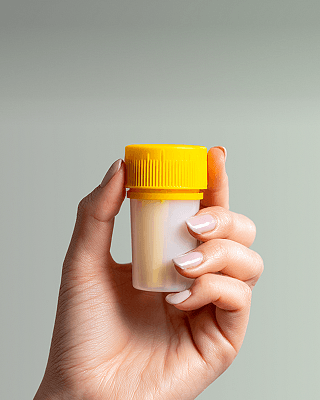
Bij een behandeling vul je in wat de volgende arts wil weten: wat voor ingreep het was, het nummer van het weefselonderzoek (PA-nummer), of alles is weggehaald, en een vrij stuk tekst voor het verslag. Plekken die in dezelfde afspraak zijn behandeld, staan bij elkaar. Want zo gaat het in het echt: één afspraak, meerdere plekken.
Het werkt samen met het ziekenhuissysteem
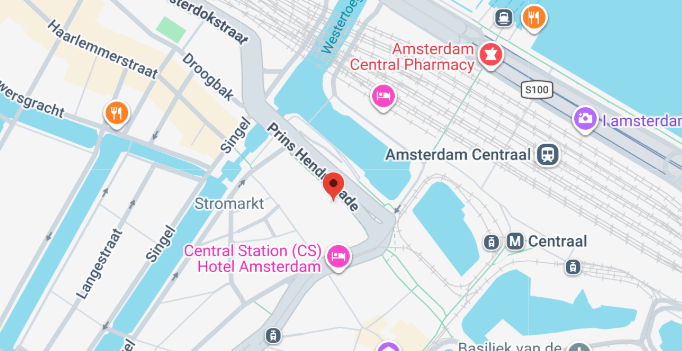
Ziekenhuizen in Nederland werken met HIX. 3Derma komt daar niet voor in de plaats, maar werkt ernaast. Maak je een nieuwe plek aan, dan krijgt die een code. Met één knop kopieer je die code en plak je hem in HIX. Een balkje laat zien dat het delen van de gegevens ongeveer drie minuten duurt. Zo hoeft niemand steeds op "vernieuwen" te drukken.
Het scherm blijft rustig
De arts gebruikt dit tijdens een gesprek van tien minuten. Vaak kijkt de patiënt mee. Daarom: weinig kleur, grote en duidelijke letters, en één kleur die laat zien over welke plek het gaat. Het 3D-model valt het meest op. De rest blijft op de achtergrond.